
Pulsamerica in honored collaboration with UN MEXICO: On Sept. 25, 2015, countries had the opportunity to adopt a set of global targets to eradicate poverty, protect the planet and ensure prosperity for all as part of a new sustainable development agenda. Each goal has specific targets to be achieved over the next 15 years.
To continue achieving these goals, everyone has to do their part: governments, the private sector, civil society and people like you.
Want to participate? You can start by telling everyone about these goals.
What are the #ODS? The full list is here. # en2015actuamos
OBJECTIVE 1: Ending poverty in all its forms worldwide
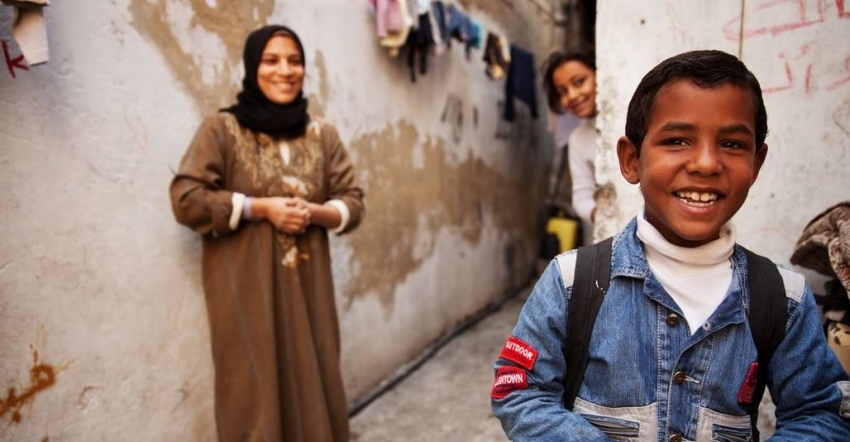
Economic growth must be inclusive in order to create sustainable jobs and promote equality. Photo (c) UN.org 2016
Extreme poverty rates have halved since 1990. While it is a remarkable achievement 1 in 5 people in the developing regions still live on less than $ 1.25 a day, and there are many more millions of people who earn little more than the daily amount, to which is added that many people at risk of falling into poverty.
Poverty goes beyond lack of income and resources to ensure a sustainable livelihood. Among its manifestations include hunger and malnutrition, limited access to education and other basic services, discrimination and social exclusion and lack of participation in decision-making are included. Economic growth must be inclusive in order to create sustainable jobs and promote equality.
OBJECTIVE 2: Ending hunger, achieving food security and improving nutrition and promoting sustainable agriculture
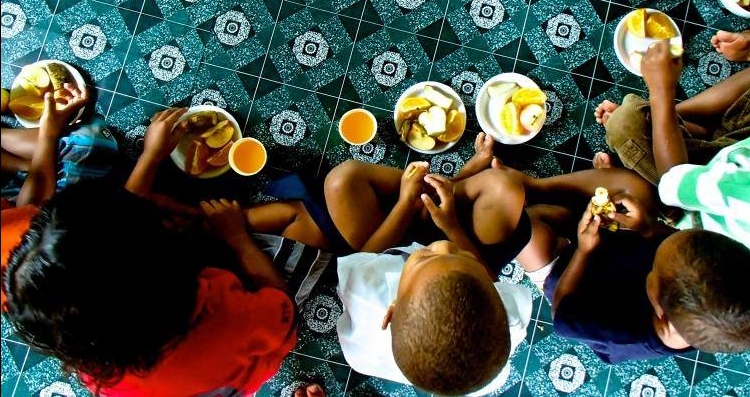
Many peasants can no longer make a living on their land, forcing them to migrate to cities in search of opportunities. Photo (c) UN.org 2016
If done well, agriculture, forestry and fisheries can supply nutritious food for all and generate decent incomes, while the development of the country people and environmental protection rests.
But right now, our soils, water, oceans, forests and our biodiversity are being rapidly degraded. Climate change is putting increasing pressure on resources on which we depend and increase the risks associated with disasters such as droughts and floods. Many peasants can no longer make a living on their land, forcing them to migrate to cities in search of opportunities.
We need a thorough reform of the global food and agriculture system if we want to nurture the 925 million hungry that currently exist and the additional two billion people living in 2050.
The food industry and agriculture offer key solutions for development and are vital to the elimination of hunger and poverty.
OBJECTIVE 3: Ensuring a healthy lifestyle and promote wellness for everyone in all ages

They have made great progress regarding increasing life expectancy and reducing some of the most common causes of death related to child and maternal mortality. Photo (c) UN.org 2016
To achieve sustainable development is essential to ensure a healthy life and promote well-being for everyone at any age. They have made great progress regarding increasing life expectancy and reducing some of the most common causes of death related to child and maternal mortality. They have made great strides in increasing access to clean water and sanitation, reducing malaria, tuberculosis, polio and spread of HIV / AIDS. However, many more initiatives to completely eradicate a wide range of diseases and addressing numerous and varied persistent and emerging health issues are needed.
OBJECTIVE 4: Ensuring an inclusive, equitable, quality education and promote learning opportunities throughout life for all

It has greatly increased the minimum level of literacy, although it is necessary to redouble efforts to achieve further progress in achieving the goals of universal education. Photo (c) UN.org 2016
Achieving quality education is the basis for improving the lives of people and sustainable development. There have been significant advances in relation to improving access to education at all levels and increasing enrollment rates in schools, especially in the case of women and girls. It has greatly increased the minimum level of literacy, although it is necessary to redouble efforts to achieve further progress in achieving the goals of universal education. For example, it has achieved equality between girls and boys in primary education in the world, but few countries have achieved that goal at all educational levels.
OBJECTIVE 5: Achieve gender equality and empower all women and girls

Gender equality is not only a fundamental human right, but the necessary basis for a peaceful, prosperous and sustainable world. Photo (c) UN.org 2016
While progress has been made worldwide in relation to gender equality through the Millennium Development Goals (including equal access of girls to boys in primary education), women and girls continue to face discrimination and violence in all parts of the world. Gender equality is not only a fundamental human right, but the necessary basis for a peaceful, prosperous and sustainable world.
If women and girls equality is provided in access to education, health care, decent work and representation in decision-political and economic decisions, sustainable economies will boost and benefit societies and humanity in whole.
OBJECTIVE 6: Ensure the availability of water and its sustainable management and sanitation for all
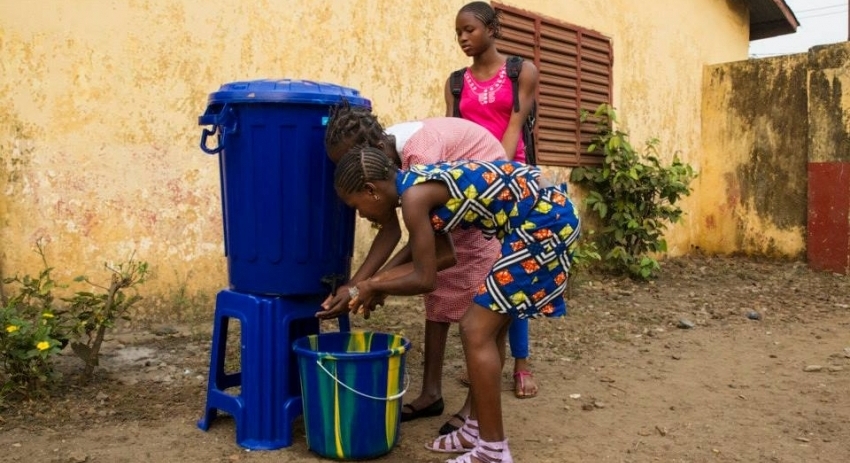
By 2050, at least one of every four people is likely to live in a country affected by chronic and repeated shortages of fresh water. Photo (c) UN.org 2016
Free of impurities and accessible water for all is an essential part of the world we want to live. There is enough fresh water on the planet to achieve this dream.
The shortage of water resources, poor water quality and inadequate sanitation negatively affect food security, livelihood choices and educational opportunities for poor families worldwide. Drought affects some of the poorest countries in the world worsens hunger and malnutrition. By 2050, at least one of every four people is likely to live in a country affected by chronic and repeated shortages of fresh water.
OBJECTIVE 7: Ensure access to affordable energy, safe, sustainable and modern for all
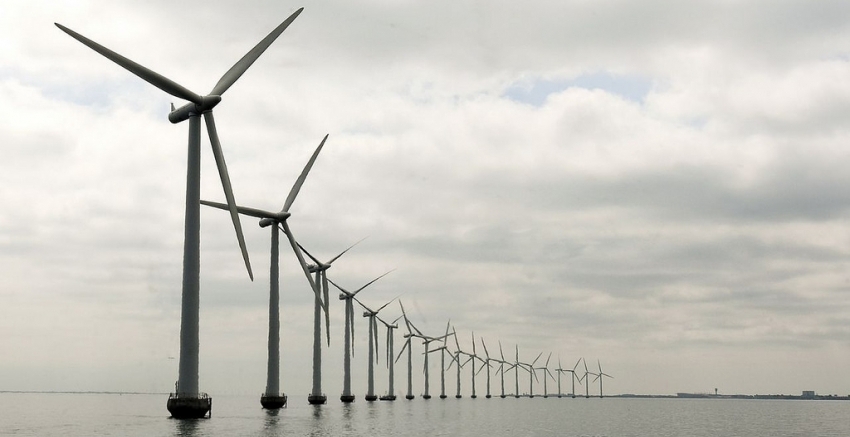
Sustainable energy is an opportunity - it transforms lives, economies and the planet. Photo (c) UN.org 2016
Energy is central to nearly all major challenges and opportunities facing the world today. Whether for jobs, security, climate change, food production or to increase revenues, access to energy for all is essential. Sustainable energy is an opportunity - it transforms lives, economies and the planet.
The Secretary General of United Nations Ban Ki-moon is at the forefront of sustainable energy for all initiative to ensure universal access to modern energy services, improve performance and increase the use of renewable sources.
OBJECTIVE 8: Promoting sustained, inclusive and sustainable economic growth, full and productive emple and decent work for all
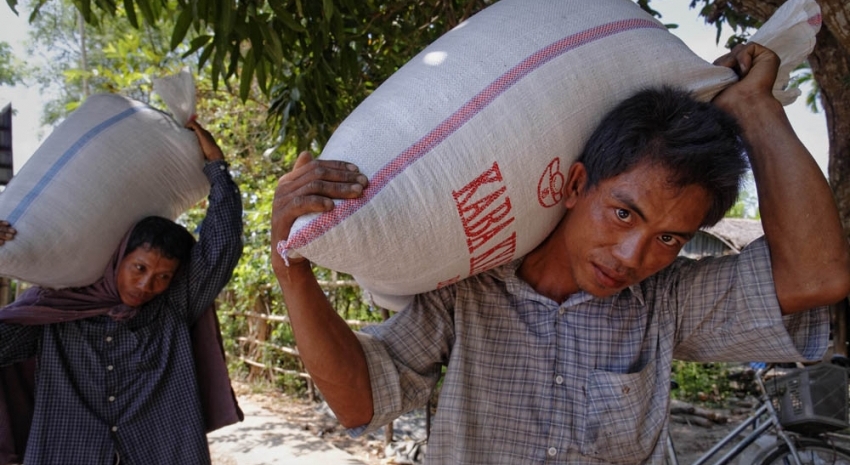
To achieve sustainable economic development, companies must create conditions for people to access to quality jobs, stimulating the economy without harming the environment. Photo (c) UN.org 2016
About half of the world’s population still lives on the equivalent of $ 2 US a day, and in many places the fact of having a job does not guarantee the ability to escape poverty. We must reflect on this slow and uneven progress, and review our economic and social policies to eradicate poverty.
The continued lack of decent work opportunities, insufficient investment and low consumption lead to an erosion of the basic social contract underlying democratic societies: the right of everyone to share in progress. The creation of quality jobs will remain a challenge for most economies beyond 2015.
To achieve sustainable economic development, companies must create conditions for people to access to quality jobs, stimulating the economy without harming the environment.
OBJECTIVE 9: Building resilient infrastructure, promoting inclusive and Soteno industrialization and foster innovation

The growth and urbanization is also creating the need for new investments in sustainable infrastructure that will allow cities to become more resilient to climate change and boost economic growth and social stability. Photo (c) UN.org 2016
Investments in infrastructure (transport, irrigation, energy and information technology and communications) are essential for achieving sustainable development and empower communities in many countries. It has long been recognized that to achieve an increase in productivity and income and improvements in health and education outcomes, investments in infrastructure are needed.
The growth and urbanization is also creating the need for new investments in sustainable infrastructure that will allow cities to become more resilient to climate change and boost economic growth and social stability.
In addition to government funding and official development assistance, it is promoting private sector funding for countries that need financial, technological and technical support.
OBJECTIVE 10: Reduce inequality within and between countries

In order to reduce inequality, it has recommended the application of universal policies and also paying special attention to the needs of disadvantaged and marginalized populations. Photo (c) UN.org 2016
The international community has made great strides taking people out of poverty. The most vulnerable countries-the least developed countries, landlocked developing countries and small island developing States continue to advance in the field of poverty reduction. However, there remain large inequalities and disparities in access to health and education services and other productive assets.
In order to reduce inequality, it has recommended the application of universal policies and also paying special attention to the needs of disadvantaged and marginalized populations.
OBJECTIVE 11: To ensure that cities and human settlements are inclusive, safe, resilient and sustainable
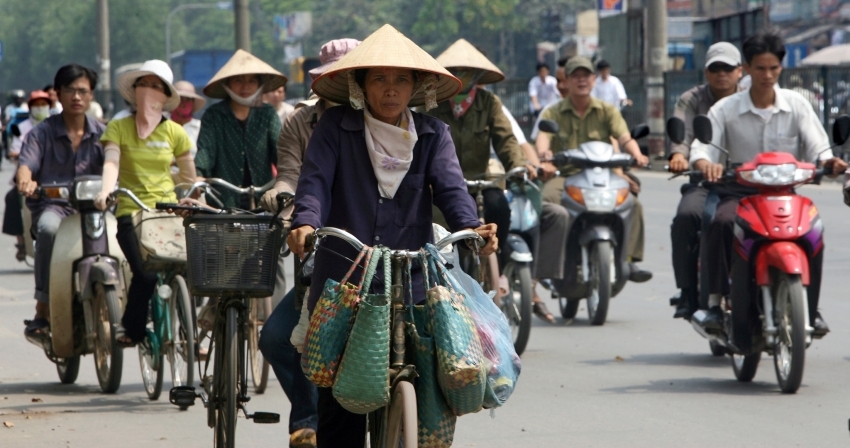
Now, there are many problems that exist to keep cities so that they continue to create jobs and prosperity without putting pressure on land and resources. Photo (c) UN.org 2016
Cities are hotbeds of ideas, trade, culture, science, productivity, social development and more. In the best, cities have enabled people to social and economic progress.
Now, there are many problems that exist to keep cities so that they continue to create jobs and prosperity without putting pressure on land and resources. Common problems of cities are congestion, lack of funds to provide basic services, adequate housing shortages and deteriorating infrastructure.
The problems facing cities can be overcome so as to enable them to continue to prosper and grow, while better use of resources and reduce pollution and poverty. The future we want includes cities of opportunities, access to basic services, energy, housing, transportation and facilities for all.
OBJECTIVE 12: Ensure sustainable patterns of consumption and production

The objective of sustainable consumption and production is to do more and better things with fewer resources, increasing net welfare gains from economic activities by reducing the use of resources, degradation and pollution throughout the life cycle, while achieving a better quality of life. Photo (c) UN.org 2016
Sustainable consumption and production are to promote efficient use of resources and energy efficiency, sustainable infrastructures and facilitate access to basic services, ecological and decent jobs and a better quality of life for all. Its application helps achieve overall development plans, reduce future economic, environmental and social costs, increase economic competitiveness and reduce poverty.
The objective of sustainable consumption and production is to do more and better things with fewer resources, increasing net welfare gains from economic activities by reducing the use of resources, degradation and pollution throughout the life cycle, while achieving a better quality of life. In this process, various stakeholders, including businesses, consumers, makers of policymakers, researchers, scientists, retailers, media and agencies involved development cooperation.
It is also necessary to adopt a systemic approach and achieve cooperation among participants in the supply chain, from the producer to the consumer. It is to engage consumers through awareness and education on consumption and sustainable livelihoods, providing adequate information through standards and labels, and participating in sustainable public procurement, among others.
OBJECTIVE 13: To adopt urgent measures to combat climate change and its effects
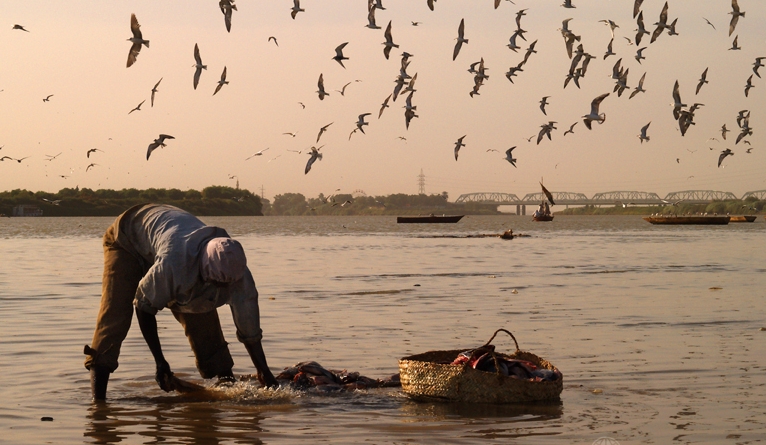
We have within our reach viable solutions to enable countries to have a more sustainable economic activity and more environmentally friendly. Photo (c) UN.org 2016
Climate change affects all countries on all continents. It has a negative impact on the national economy and in the lives of individuals, communities and countries. In the future, the consequences will be even worse.
People live in their own skin the consequences of climate change, including changes in weather patterns, rising sea levels and more extreme weather events. Emissions of greenhouse gases caused by human activities make this threat increases. In fact, emissions have never been so high. If we do not act, the average temperature of the world’s surface could increase about 3 degrees Celsius this century and in some areas of the planet could be even worse. The poorest and most vulnerable people will be most affected.
We have within our reach viable solutions to enable countries to have a more sustainable economic activity and more environmentally friendly.
Changing attitudes is accelerating as more people are turning to renewable energy and other solutions to reduce emissions. But climate change is a global challenge that does not respect national borders. Emissions at a point on the planet affect other distant places. It is a problem that requires the international community to work in a coordinated manner and requires international cooperation for developing countries to move towards a low carbon economy. Countries are working to adopt a global agreement in Paris this December in order to combat climate change.
OBJECTIVE 14: To conserve and sustainably use oceans, seas and marine resources for sustainable development
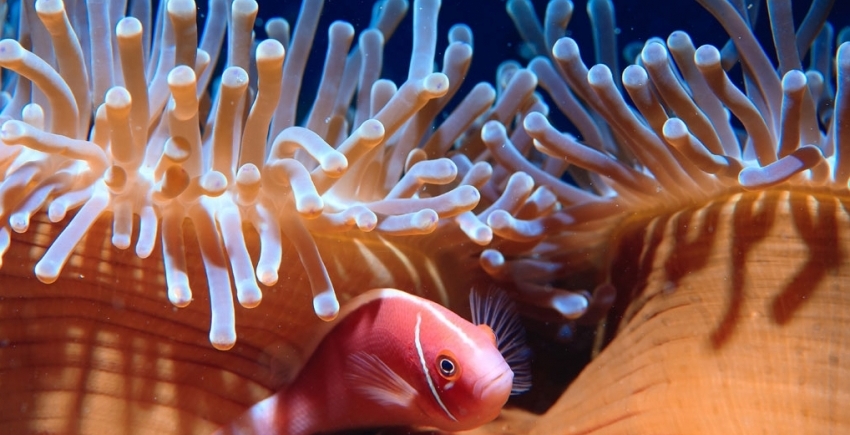
Prudent management of this essential global resource is a key feature of sustainable future. Photo (c) UN.org 2016
The world’s oceans - their temperature, chemistry, currents and life - moving global systems that make the Earth habitable for humanity.
Our precipitation, drinking water, climate, time, costs, much of our food and even oxygen in the air we breathe come ultimately from the sea and are regulated by this. Historically, oceans and seas have been vital channels of trade and transport.
Prudent management of this essential global resource is a key feature of sustainable future.
OBJECTIVE 15: Promoting sustainable use of terrestrial ecosystems, combating desertification, arrest and reverse land degradation and halting the loss of biodiversity

Deforestation and desertification is caused by human activities and climate change pose major challenges for sustainable development. Photo (c) UN.org 2016
30% of the land area is covered by forests and these, in addition to providing food security and shelter are essential to combat climate change, as they protect biodiversity and the homes of the indigenous population. Each year 13 million hectares of forest and persistent degradation of arid areas has caused the desertification of 3.600 million hectares disappear.
Deforestation and desertification is caused by human activities and climate change pose major challenges for sustainable development and affect the lives and livelihoods of millions of people in the fight against poverty. They are implementing measures to forest management and combating desertification.
OBJECTIVE 16: Promote peaceful and inclusive societies for sustainable developement, facilitating access to justice for all and to create effective, accountable and inclusive institutions at all levels
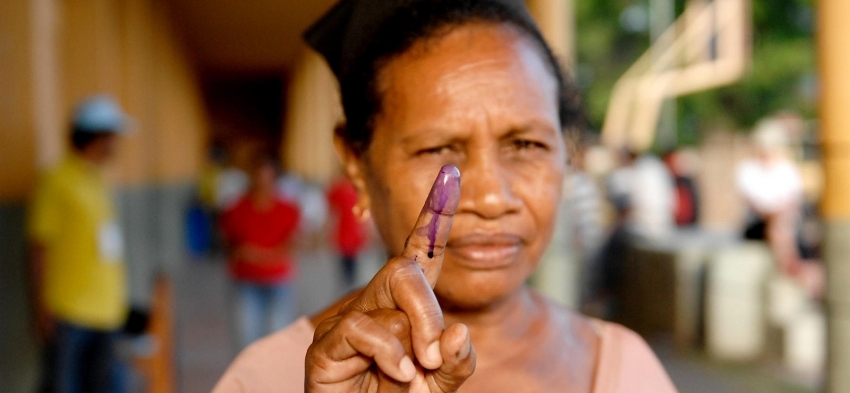
The promotion of peaceful and inclusive societies for sustainable development Photo (c) UN.org 2016
The target 16 of the Millennium proposed Sustainable Development focuses on the promotion of peaceful and inclusive societies for sustainable development, providing access to justice for all and building responsible and effective institutions at all levels.
OBJECTIVE 17: To strengthen the means of implementation and revitalize the Global Alliance for Sustainable Development

These sectors include sustainable energy, infrastructure and transport, as well as information technology and communications. Photo (c) UN.org 2016
For a sustainable development agenda effective partnerships between governments, the private sector and civil society are needed. These inclusive partnerships are built on the basis of principles and values, a shared vision and common goals that give priority to people and the planet, and are needed at the global, regional, national and local levels.
It should take urgent measures to mobilize and leverage redirect billions of dollars of private resources to generate changes in order to achieve the Sustainable Development Goals. long-term investments are needed, such as foreign direct investment in key sectors, particularly in developing countries. These sectors include sustainable energy, infrastructure and transport, as well as information technology and communications.
________________
This article was proudly made possible by collaboration with UN Mexico’s promotion of Objectivos de Desarrollo Sostenible: 17 Objectivos Para Transformar Nuestro Mundo. Please visit their site to learn more about these objectives.
Translation and formatting by Pulsamerica Editor-in-Chief Ailana Navarez.

