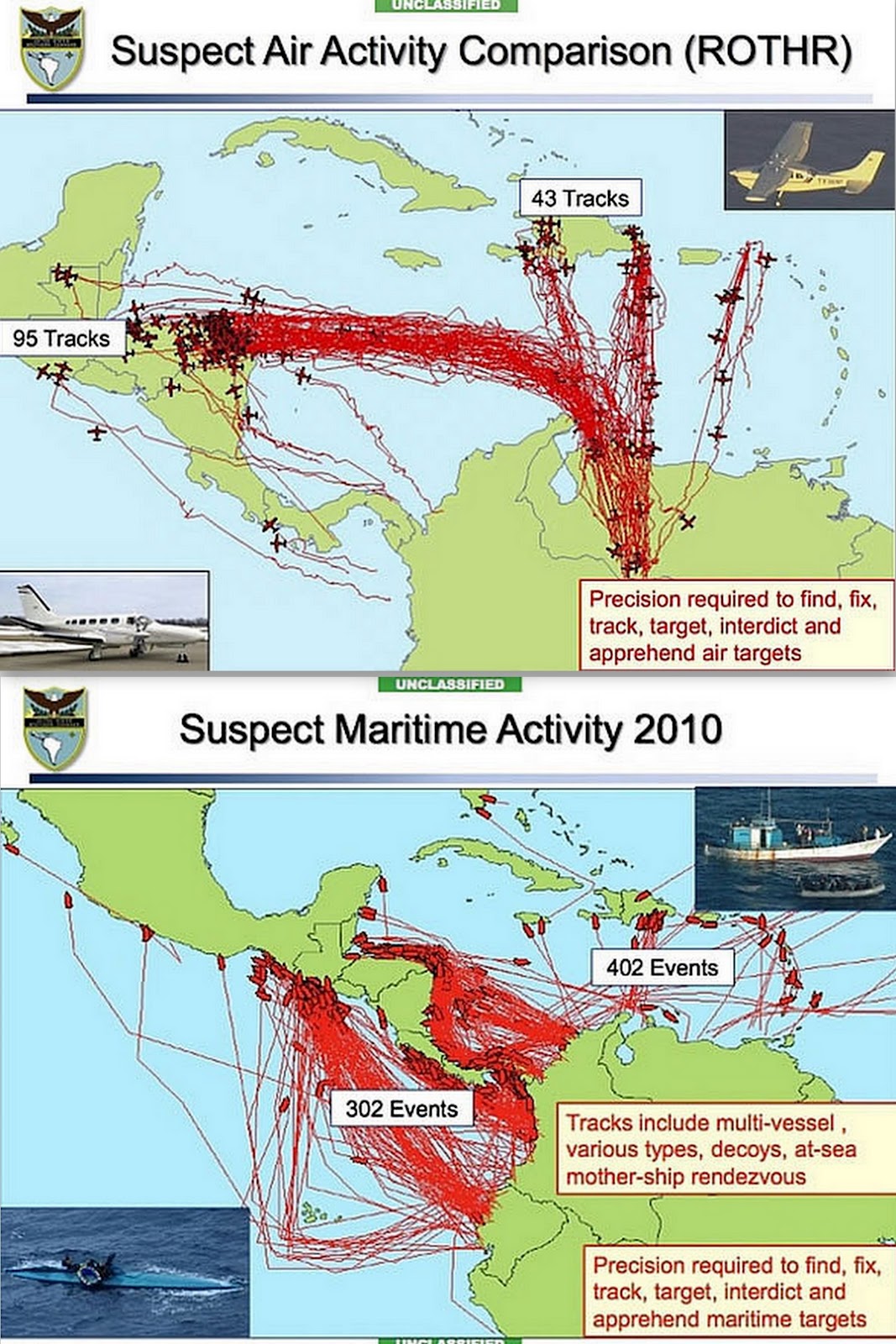
The modern geopolitics of Latin America’s on-going Drug War highlights the impact of different strategies on combating - and surviving - a war against all odds.
The illegal drug trade is a main source of violence propagation across the Americas and beyond.
Latin American countries most affected by the problem of drug trafficking (especially cocaine) are Colombia and Mexico and to a lesser extent Peru and Bolivia. But it must be emphasized that due to various factors - including US militarization of Colombia and Mexico - a shift is occurring.
Such can be observed mainly to Central American countries and to a lesser extent to other countries, such as the case of Rosario, Argentina that have become part of the route of cocaine into the African continent before being introduced in Europe, mainly through Morocco.
Money is power
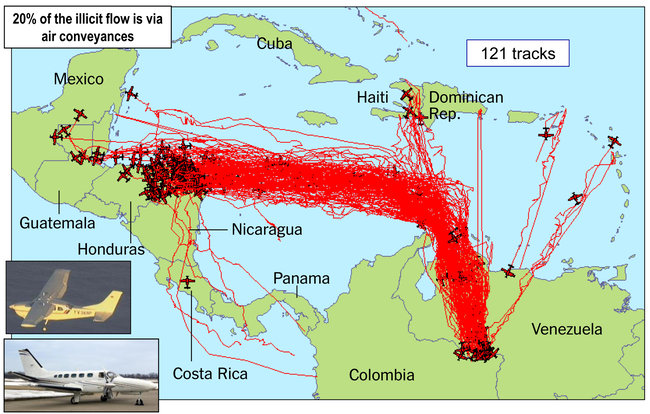
Photo (c) Analisis Libre 2015
Illegal drug trafficking, especially cocaine, is what powers the enormous profits obtained by various drug cartels in Brazil, Mexico and in Colombia; occasionally accumulating more economic potency than the state actors that they face.
This disparity of forces births “conflict zones”, typically a portion of the territory in which the State is unable to exercise its sovereignty and ensure control of it.
Legalization of cocaine trafficking

Photo (c) El Pais Colombia 2011
In this sense, the incumbent president of Colombia, Juan Manuel Santos has ruled in favor of legalization of cocaine (the drug that moves most money in Latin America).
But for now, the Obama administration opposes the measure, while acknowledging the failure of current policies of the American states to address the drug problem.
Legalizing marijuana trafficking

Photo (c) Zetaestaticos 2014
While to a lesser extent than the Netflix-famous cocaine trade, marijuana also provides many benefits.
Former Uruguayan President José “Pepe” Mujica (2009-2015) had very significant influence at regional and global level, giving the Uruguayan State the marketability of marijuana.
While the level of progress has been quite slight, the regional legal precedent is very significant and the possibilities of revenue for the coffers prove potentially interesting to the economic-crisis Uruguayan state.
Militarization solution to address the problem of drug trafficking in Latin America
Photo (c) Debate Mex 2016
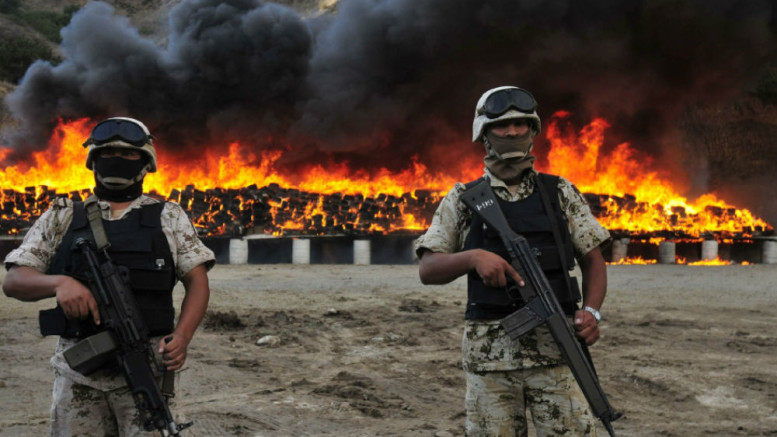
Meanwhile, the only possible solution in Latin America seems to be unfortunately the militarization of the areas affected by the drama of narco-trafficking.
There have been relatively successful South American experiences in this regard as in Brazil and the militarization of favelas and some rural regions of Colombia.