
Photo (c) Transparency International 2016
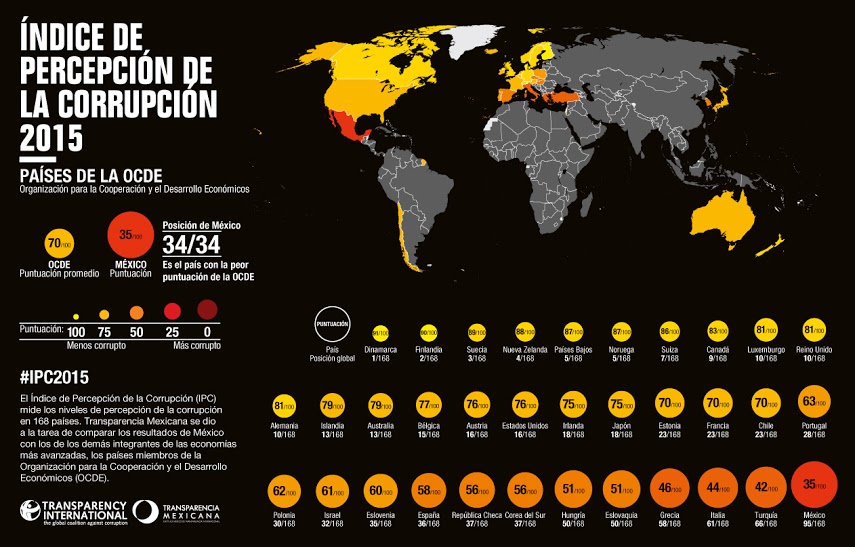
According to Transparency International’s 2015 ranking regarding the classification of a total of 168 countries by perceived corruption, Uruguay outranks Chile as the least corrupt Latin American country, with Venezuela allegedly the region’s most corrupt country.
Meanwhile, Denmark leads as least corrupt worldwide, with North Korea and Somolia on the opposing pole.
The NGO joins the opinion of experts from organizations such as the World Bank, the African Development Bank and the German foundation Berteslmann, among others, to establish the index of each nation.
While the list is traditionally dominated by Scandinavian countries - such as Finland and Sweden - regarding Latin America, Chile is no slouch, surpassed only by Uruguay, according to the Corruption Perceptions Index 2015.
Meanwhile, only one country in Oceania (New Zealand) and one in Asia (Singapore) are also in the ranking of the top 10 least corrupt worldwide.
The scale is ranked from 0 points as “most corrupt” country, to 100 as “least”, according to corporate and public perceptions of corruption instances through economic, political, social, and other areas.
.jpg)
Photo (c) Viajea Uruguay 2016
Chile moves to second place
After recovering in 2014 the first place of its leadership in Latin America in terms of integrity and transparency, - thanks to recent allegations of economic, military and political corruption scandals - Chile was displaced again by tiny Uruguay, despite the Southern Cone giant is at position 23 worldwie with 70 points from a maximum of 100 while Uruguay is located on the 21st with 74 points.
While it is not the first time that Chile is not the leader in the region in this regard, President of Chile Transparente (the Chilean chapter of Transparency International), Gonzalo Delaveau claims that this result is consistent right in between bursts to public opinion of mentioned scandals.
“These facts and other non-political, such as collusion and irregularities in the main institution of Chilean professional soccer, perfectly may have influenced this result, mainly because fortunately we have a citizenry that has less tolerance for such practices” , Delaveau asserts.
Situation in Latin America
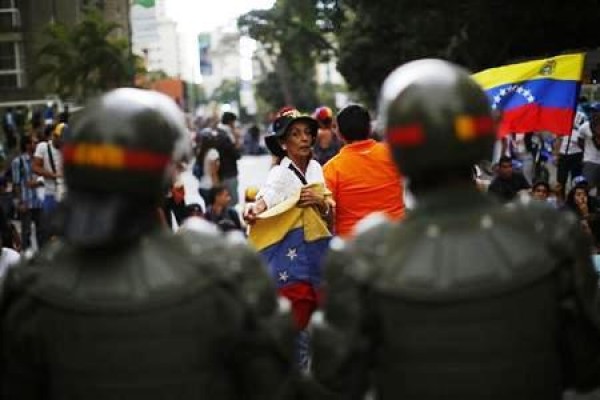
Photo (c) Cubanet 2014
Regarding the worst ranked positions in Latin America, according to Transparency International, this list is headed by Venezuela, who sits 158th in the standings with just 17 points. It place is shared by Haiti, which continues a negative trend compared to previous measurements.
Other highlights of the nations in Latin America is Brazil, in terms of the perception of corruption in the public sector, as one of the fastest in the world index falling 5 points.
Check the list below:
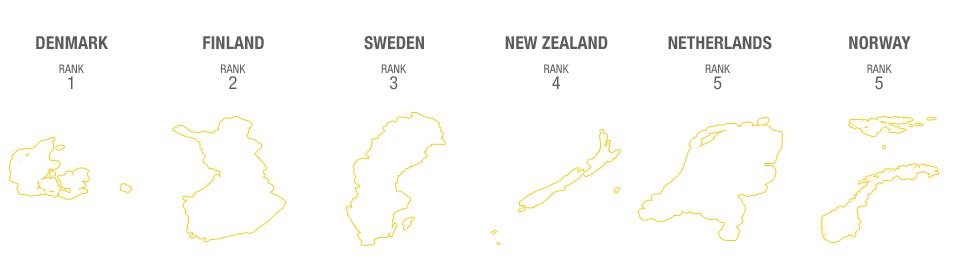
Photo (c) Transparency International 2015
- Denmark: 91 points
- Finland: 90
- Sweden: 89
- New Zealand: 88
- Netherlands: 87
= Norway: 87
- Switzerland: 86
- Singapore: 85
- Canada: 83
- Germany: 81
= Luxembourg: 81
= UK: 81
- United States: 76
- Japan: 75
- Uruguay: 74
- Qatar: 71
- Chile: 70
= Estonia: 70
= France: 70
…and further down the line…
- Spain: 58
- Costa Rica: 55
- Cuba: 47
- Greece: 46
- Italy: 44
- Turkey: 42
- El Salvador: 39
= Panama: 39
- Brazil: 38
= India: 38
- China: 37
= Colombia: 37
- Peru: 36
- Mexico: 35
- Bolivia: 34
- Argentina: 32
= Ecuador: 32
- Honduras: 31
- Russia: 29
- Guatemala: 28
- Nicaragua: 27
= Paraguay: 27
- Haiti: 17
= Guinea-Bissau: 17
= Venezuela: 17
- Iraq: 16
= Libya: 16
- Angola: 15
= South Sudan: 15
- Sudan 12
- Afghanistan 11
North Korea 167. 8
Somalia = 8

